
Social Media Is Your Most Underused Power Tool
Social media for construction companies is massively underrated. Not because it turns you into an influencer, but because the people who sign contracts, approve tenders, and shortlist vendors quietly use it to decide who even gets a call. If your socials are an afterthought, you are making their decision very easy, and not in your favour.
Most construction and trade-based companies still lean on word of mouth, referrals, and tender portals. Those will not disappear. What has changed is what happens in the 10 minutes between someone hearing your name and sending that first email. They search your company, they click through to your socials, then they decide if you look like a safe pair of hands.
When social is done strategically, it stops being a box to tick and starts acting like a serious growth lever. It builds trust before you ever jump on a call, shortens sales cycles, and tilts the table so you win better projects with better clients, not just whoever happens to know you already.
Why Construction Buyers Are Stalking Your Socials
Commercial clients, developers, strata managers, and corporate decision makers are time-poor and risk-averse. They want to answer one question fast: can you actually deliver what you say you can, without drama?
Social media for construction companies is not about pretty pictures. It functions as a living, breathing portfolio that answers that question in real time. Decision makers scroll your feeds to check:
-
- Capability: Do you have runs on the board with projects that look like theirs?
-
- Scale: Do your sites, teams and equipment match the size of job they need done?
-
- Reliability: Are you consistently active, or did your last update land 18 months ago?
-
- Safety and professionalism: Do your sites look under control, or like accidents waiting to happen?
Empty, outdated or sloppy feeds quietly scream risk. No updates can read as no work. Messy content can read as messy operations. You probably never hear, “We did not shortlist you because your Instagram was patchy,” but that does not mean it is not happening.
On the flip side, when your socials show organised sites, clear processes and solid outcomes, they back up every claim in your capability statement. Instead of crossing their fingers and hoping you are good, buyers get visual proof that you know what you are doing.
Turning Projects Into Scroll-Stopping Proof
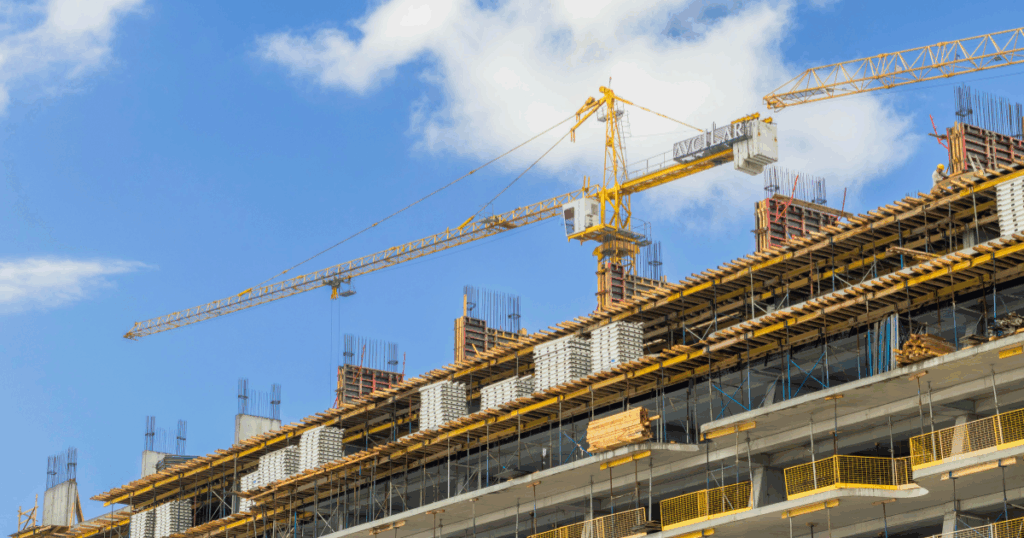
Most construction companies are sitting on a goldmine of content and are posting almost none of it. Every site, handover and toolbox meeting is an opportunity to create proof, not just noise.
Content that actually works for construction audiences includes:
-
- Project-progress reels, showing stages from groundworks to completion
-
- Before and after photos, especially for refurb, fitout and remedial work
-
- Short site walkthroughs that show how you manage access, staging and trades
-
- Safety culture moments, like pre-starts, inductions and clear signage
-
- Team spotlights that introduce foremen, project managers and key site staff
-
- Client testimonials, even simple on-site quotes paired with visuals
The key is to make every post answer what decision makers care about, not just what looks cool. Tie content back to outcomes like:
-
- Timelines hit and how you stayed on program
-
- Budget control and how you prevented variations from blowing out
-
- Problem solving, such as working around occupied buildings or complex services
-
- Compliance with standards, permits and reporting
-
- Communication and how you kept stakeholders in the loop
Worried about IP or confidentiality? You can stay smart and still show substance. For example:
-
- Avoid detailed floor plans, security systems and sensitive plant
-
- Focus on process, sequencing and quality checks rather than proprietary methods
-
- Blur or crop signage that identifies confidential tenants or private clients
-
- Capture generic shots that show type of work, not specific protected details
You are not giving away trade secrets by showing that your team wears PPE and your sites are organised. You are simply proving you are safe, serious and consistent.
From Dusty Feeds to a Real Growth Channel
Random posting is what gives social media a bad reputation internally. Someone remembers to post every few weeks, content is rushed, captions are vague, and nothing links back to any clear positioning. Of course it feels like a waste of time.
A real social media strategy for construction companies is structured, but not complicated. At a minimum, you want clarity on:
-
- Target clients: Which industries, project sizes and decision makers matter most?
-
- Core services: What are the jobs you actually want more of, not just any work?
-
- Content pillars: For example, projects, people, safety, process and community
-
- Tone of voice: Straight-talking, technical, friendly, corporate, or a mix?
-
- Visual standards: Colours, logo use, framing and minimum quality for photos and video
Once that is defined, the execution becomes far easier. Instead of trying to come up with content on the fly, you can batch it around site days and reuse assets across platforms.
A simple system might look like this:
-
- On scheduled site visits, capture short vertical videos, wide shots and detail shots.
-
- Store everything in clearly named folders by project, stage and theme.
-
- Write captions in one sitting per month, linking each post to an outcome or question buyers ask.
-
- Schedule posts across LinkedIn and Instagram, then repurpose the best pieces into email updates or capability presentations.
This is how social stops being a chore and starts becoming another repeatable process in your business, just like site diaries or project reports.

Measuring What Matters Beyond Likes and Views
Vanity metrics can make it feel like your socials are thriving while the pipeline is dead. High impressions from apprentices in other states, random followers with no buying power, and likes from friends do not keep crews busy.
What matters for construction and corporate work looks very different to retail. Better indicators include:
-
- Website visits from social, especially to service pages and project case studies
-
- Enquiry forms, tender invitations or proposal requests that name social as a touchpoint
-
- Pre-qualified leads, such as developers and facility managers booking intro calls
-
- Stronger engagement from people with the right job titles and companies
-
- Relationship-building with key accounts, including repeat views and DMs from decision makers
When we manage social media for construction companies, we focus heavily on context, not just numbers. Clear dashboards are useful, but narrative insights are where the value really sits. For example:
-
- Which content types lead to more serious enquiries
-
- Which platforms are better at starting conversations with the right people
-
- Which messages and visuals reinforce your positioning, and which confuse it
Month after month, that kind of insight lets you refine the strategy so socials keep getting sharper, not just busier.
Put Your Socials to Work Like Any Other Asset
You would not park a crane on site and never use it. You would not leave plant unserviced for years and still expect it to perform. Your social channels are no different. They are brand assets that need to be planned, maintained and expected to deliver.
Take a blunt look at your current presence and ask:
-
- If I knew nothing about our company, would I hire us based on this?
-
- Do our feeds make us look like the size and standard of contractor we actually are?
-
- Is there clear proof of safety, capability and reliability, or just the occasional finished photo?
Construction is still a relationships game, but relationships now start online as often as they start on site. When you treat social media like a serious asset instead of an afterthought, you make it far easier for the right people to trust you with the right projects.
Get Started With Your Project Today
If you are ready to turn your online presence into a steady pipeline of quality projects, we are here to help. At Gotcha Media, we build tailored social media for construction companies that showcase your workmanship, win trust and attract the right clients.
We will work with you to understand your goals, your ideal jobs and your local market so every post pulls its weight. Get in touch today and let us put a clear, practical plan in place for your next stage of growth.